Additional information
| Warehouse | Inventory at warehouse 2 |
|---|



12,851.68 $
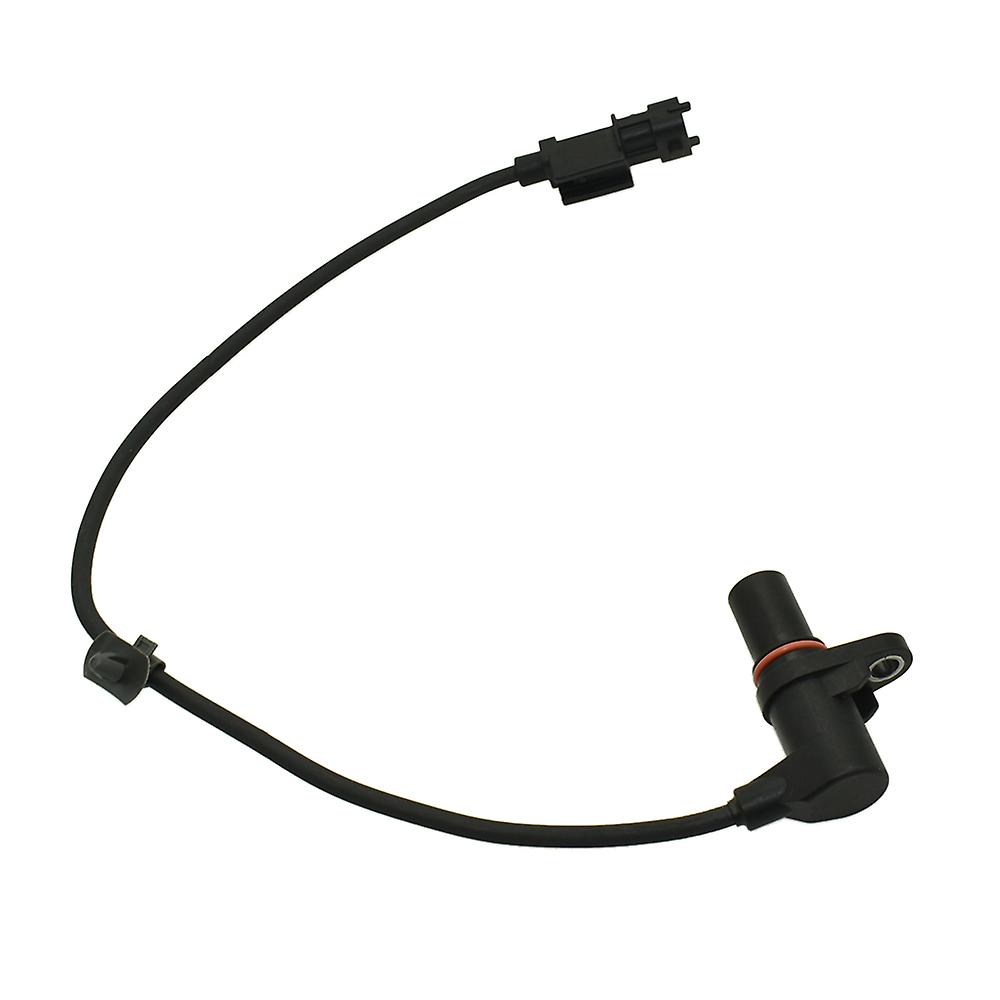
Title: Crankshaft Sensor: The Engine’s Precision Navigator
Introduction:
In the intricate dance of engine operation, there’s a silent observer meticulously tracking every revolution of the crankshaft—the crankshaft sensor. Despite its diminutive size, this critical component plays a pivotal role in ensuring precise timing and fuel delivery, ultimately shaping the performance of your vehicle’s engine. In this blog, we’ll explore the world of crankshaft sensors, unraveling their function, importance, and the indispensable role they play in modern engine management systems.
Understanding the Crankshaft Sensor:
The crankshaft sensor, also known as the crankshaft position sensor or engine speed sensor, is a sophisticated electronic device positioned near the crankshaft of an engine. Its primary function is to monitor the rotational speed and position of the crankshaft, providing crucial data to the engine control unit (ECU) or powertrain control module (PCM).
Functionality:
But how does the crankshaft sensor operate? As the engine turns, the crankshaft sensor detects the motion and position of the crankshaft’s rotating components, such as the crankshaft gear or reluctor wheel. It generates electrical signals based on these movements, which are then transmitted to the ECU or PCM. This real-time data allows the engine management system to precisely control ignition timing, fuel injection, and other critical engine functions.
Importance:
The significance of crankshaft sensors in modern engines cannot be overstated. These seemingly inconspicuous devices serve as the engine’s navigators, guiding precise timing and fuel delivery to optimize performance and efficiency. By providing accurate data on crankshaft position and speed, crankshaft sensors enable the engine management system to maintain smooth operation, prevent misfires, and enhance fuel economy.
Key Functions of Crankshaft Sensors:
1. Crankshaft Position Detection: The primary function of crankshaft sensors is to detect the position and rotational speed of the crankshaft, providing real-time data to the engine management system.
2. Ignition Timing Control: Crankshaft sensors allow the ECU or PCM to precisely control ignition timing, ensuring optimal combustion and engine performance.
3. Fuel Injection Synchronization: By monitoring crankshaft position, crankshaft sensors facilitate synchronized fuel injection, improving fuel efficiency and reducing emissions.
4. Misfire Detection: Crankshaft sensors help identify misfires by detecting irregularities in crankshaft rotation, allowing the engine management system to take corrective action.
Maintenance and Replacement:
Proper maintenance of crankshaft sensors is crucial to ensure accurate readings and reliable engine performance. Over time, crankshaft sensors may become contaminated with oil, debris, or electrical residue, leading to inaccurate readings or failure. Regular inspection, cleaning, and testing of crankshaft sensors as part of routine maintenance can help prevent issues and ensure proper function. If problems arise, such as engine hesitation or difficulty starting, professional diagnosis and replacement of the crankshaft sensor may be necessary to restore proper operation.
Conclusion:
In conclusion, crankshaft sensors may be small in size, but their impact on engine performance and efficiency is profound. As the engine’s precision navigators, crankshaft sensors provide crucial data on crankshaft position and speed, enabling the engine management system to optimize timing, fuel delivery, and overall operation. So, the next time you marvel at your vehicle’s smooth acceleration and responsive power delivery, remember the unsung hero quietly tracking every revolution—the crankshaft sensor.
9 in stock (can be backordered)


Reviews
There are no reviews yet.